



While global tech giants often dominate the headlines, many students in Malaysia still have limited exposure to the local startup landscape. When asked about their career aspirations, many lean toward familiar "Big Tech" names or established MNCs for their clear career pathways and vast resources.
However, names like Grab and Carsome—both homegrown Malaysian successes are beginning to shift that narrative, serving as beacons of what is possible within the local ecosystem.
At /ignitio, we bridge the gap between ambitious IT talents and the innovative companies reshaping our future. Our recent street interview of student sentiment at Asia Pacific University (APU) reveals a fascinating tug-of-war between the stability of established giants and the high-growth potential of the startup world.
The Great Career Divide: MNCs vs. Startups
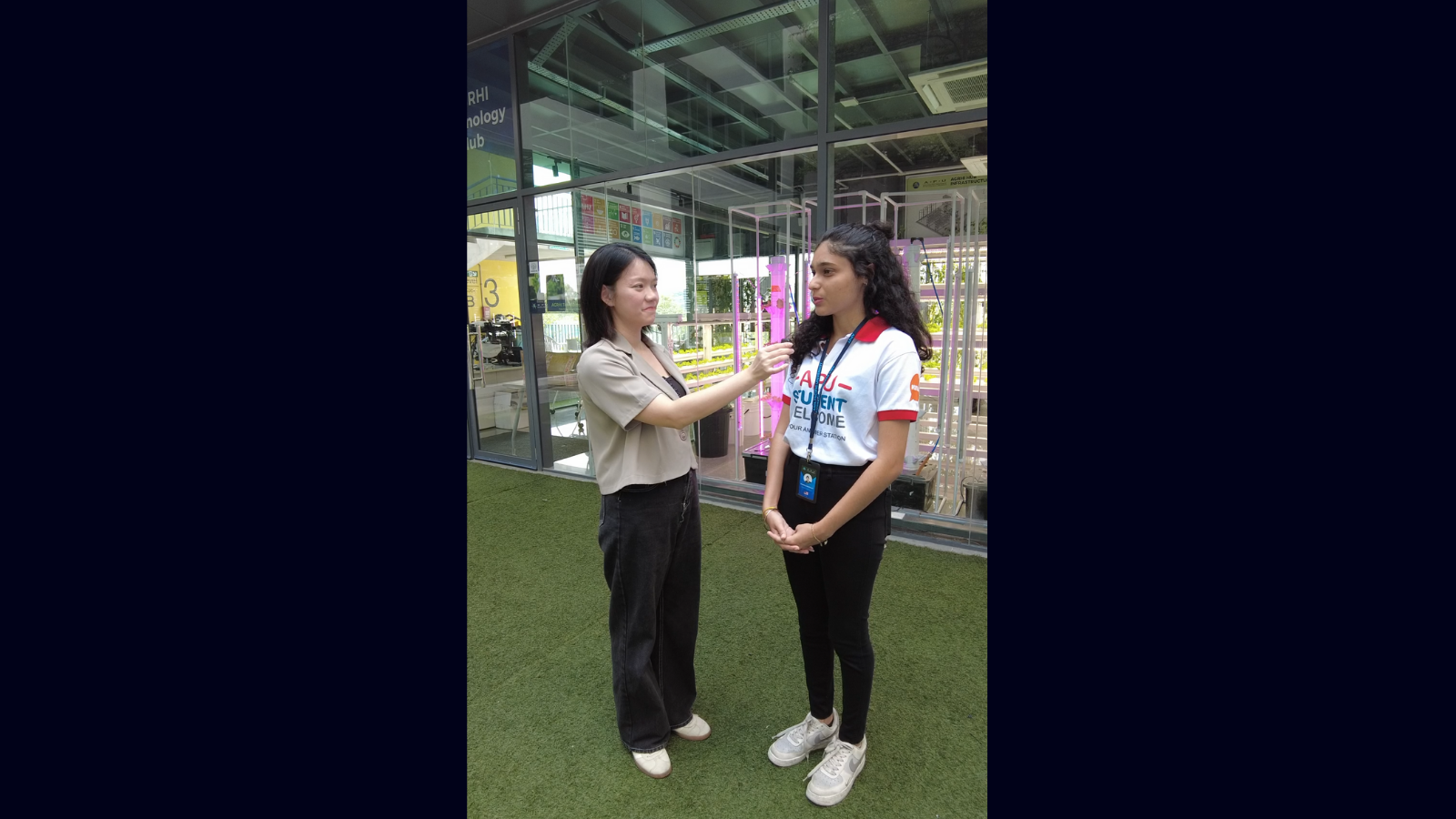
For many students, the choice isn't just about a paycheck; it's about the environment and growth trajectory.
MNC vs. Startup: The Professional Calculation
Students are divided between the structured prestige of Multinational Corporations (MNCs) and the fast-paced growth of startups. The choice between an established technology company and a startup is viewed differently by individuals considering their first job opportunity.
- The Big Tech Foundation: Many graduates view big tech as a necessary "first chapter" to learn established procedures and global standards.
- "I want to initially join a big company so that there's a clear pathway for me... I want to learn their procedures then I can start my own startup [later]." — Computer Science (AI) Third year student.
- "I want to initially join a big company so that there's a clear pathway for me... I want to learn their procedures then I can start my own startup [later]." — Computer Science (AI) Third year student.
- The Startup "Growth Accelerator": Conversely, others see startups as the ultimate training ground where they can avoid being a "cog in the machine".
- "In a startup, you get more responsibility... handles bigger projects as well as you get to grow... in the big company... you'll just be stagnant there." — Computer Science (AI) Third year student.
- "In a startup, you get more responsibility... handles bigger projects as well as you get to grow... in the big company... you'll just be stagnant there." — Computer Science (AI) Third year student.
Factors Influencing Young Engineers' Career Choices: Big Tech vs. Startups
- The Pull of Big Tech:
Many Mechatronics and Digital Marketing students prefer Big Tech/MNCs because they offer structured mentorship, clear progression, and the resources to enhance niche skills.
- The Startup Appeal:
Conversely, Computer Science and Cyber Security students are increasingly drawn to startups for the learning experience and the chance to understand business requirements from the ground up. They value a "chilled," supportive culture where they aren't just a cog in a machine.
- Growth Over Salary:
Interestingly, for a first job, many students strongly prioritize growth and experience over a 20% higher salary. They see early-career exposure as a precursor to commanding top-tier salaries later.
For insights into students' job preferences, refer to our earlier article here.
AI Adoption: Non-Negotiable for the Future
For the next generation of engineers, a company's stance on AI adoption is a dealbreaker. Students across all tech disciplines view AI as crucial—not just for the company's survival, but for their own job effectiveness.
Restricting AI is seen as being "not future-driven". In fact, many students would only join a company with AI restrictions to gain basic experience, with the full intention of leaving for a more progressive environment.
Malaysia's Vision: The Startup Ecosystem Roadmap (SUPER)
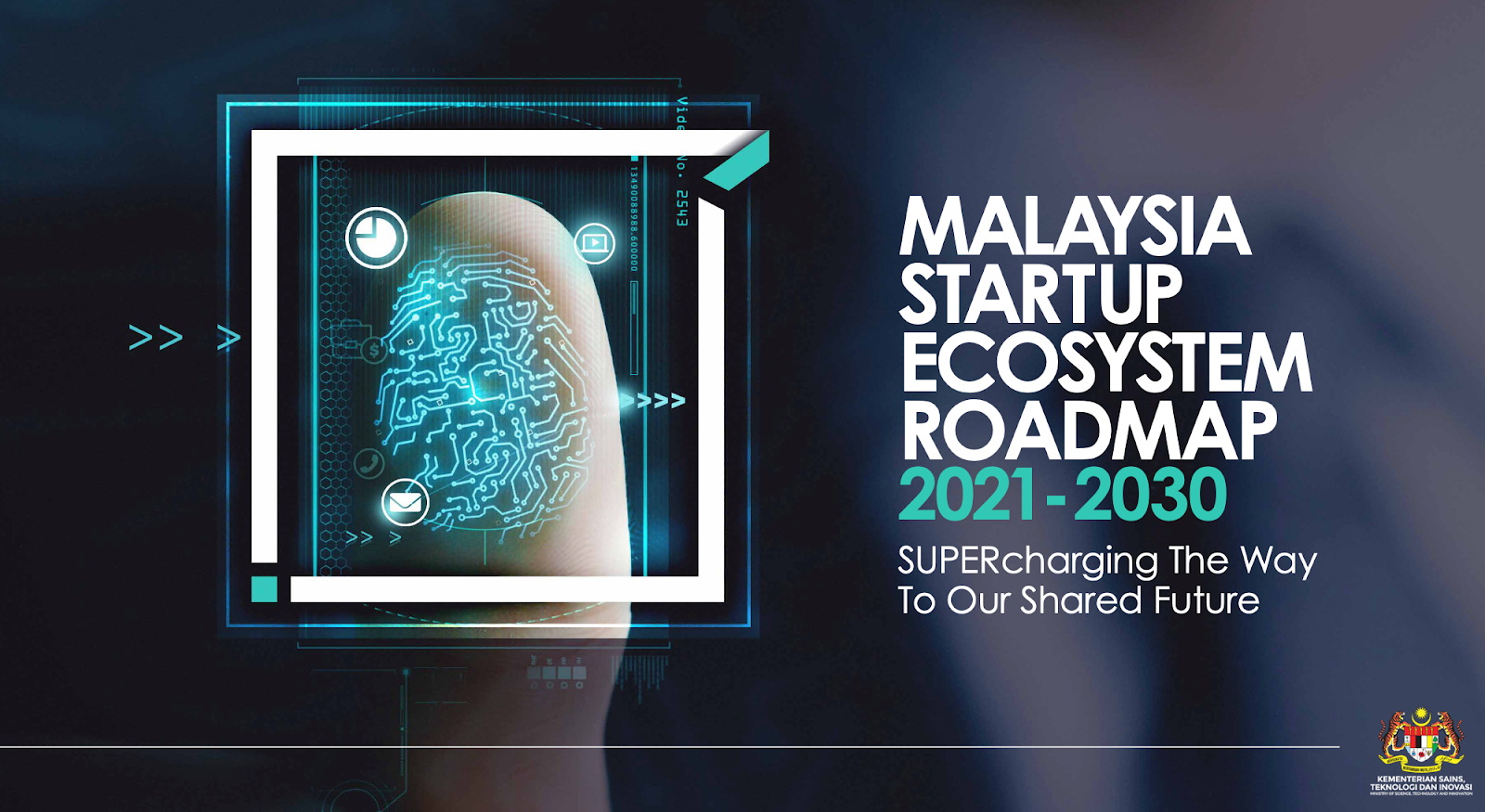
While student aspirations are high, Malaysia's ecosystem is still maturing. The government’s Malaysia Startup Ecosystem Roadmap (SUPER) 2021-2030 aims to transform the country into a Top 20 global startup ecosystem by 2030.
Currently, Malaysia faces several critical challenges that impact talent retention and startup growth:
- Talent Scarcity: A significant shortage of tech talent with niche skills in Deep Learning, Cloud Security, and AI Agents.
- The "Fear of Failure": Cultural norms often push students toward "stable" jobs, with 45% of Malaysians admitting they wouldn't start a business for fear of failure.
- Funding Gaps: A lack of private sector-driven funding, particularly at the later stages of a startup’s lifecycle.
- Bureaucracy: Overlapping agency functions can make it difficult for startups to navigate support systems.
The Solution: The SUPER roadmap outlines 16 key interventions, including reprioritizing public funding for proof-of-concepts, accelerating visas for foreign tech talent, and creating a single portal for startup information.
The 16 Interventions of the SUPER Roadmap
Aspirations for Change: Students Target Global Issues
APU tech students, in conversations with /ignitio, articulated their ambition to tackle global challenges.
"The ultimate aim is to launch our own startups and actually implement the solutions we're developing."
Affordable Cyber Security Solutions
The current market offers very expensive cybersecurity solutions. This makes it difficult for a startup to offer competitive services and also poses a budget issue for governments, especially in smaller or developing countries (like those in Africa or regions affected by conflict). The goal is to create a more affordable solution, leveraging existing experience, to benefit these underserved markets.
Democratizing Knowledge and Education
Education requires significant investment (capital and travel), which is a luxury many do not have. The aim is to contribute to democratizing knowledge by enabling people to learn wherever they are. This will allow them to acquire knowledge and seize opportunities.
Applying AI to Solve Real-World Problems
Several ideas involve implementing AI and technology to address critical issues:
- Traffic and Collision Avoidance: Implementing AI in traffic systems to prevent major accidents and collisions, given the current high number of road accidents.
- Autonomous Driving: Using autonomous driving to make travel easier and safer, both for city commuting and long-distance journeys. This allows drivers to rest when tired, improving safety.
- Business Automation: Solving business challenges by automating repetitive tasks, essentially streamlining operations.
- Natural Disaster Mitigation: Applying technology and AI to improve the prevention of natural disasters and minimize the resulting damage, though complete control is impossible.
Enhancing Business and Individual Safety
- Supporting Small Business Growth: Helping small businesses overcome struggles with visibility and digital presence by enhancing their brand visibility.
- Protecting Migrants/Workers from Scams: Creating a platform to prevent migration/recruitment agent scams. This includes verifying agents and providing AI support to simplify documents for workers who may face language barriers or difficulty reading complex legal text.
Addressing the AI-Reality Distinction
Due to the continuous advancements of AI, there is a growing difficulty in distinguishing between what is created by AI and what is real (human-created). This problem needs to be solved by implementing some form of labeling or clear distinction to establish a "fine line" between the two.


