



The data collected from the street interviews with students from the Asia Pacific University of Technology & Innovation (APU)—a Premier Digital Tech Institution (PDTI)—reveals a clear shift in the Malaysian graduate job market.
These students, spanning Mechatronics Engineering, Computer Science (AI/Data Analytics), and Cyber Security, are making strategic career decisions that prioritize long-term value over immediate financial gain.
Salary is now a baseline requirement; experience, culture, and purpose are the new decision-makers.
Strategy Over Salary: The New Fresh Grad Compact
As Malaysia’s digital economy moves toward contributing over 25% to the national GDP by 2026, the mindset of its most valuable resource—fresh engineering and IT graduates—is undergoing a profound shift.
For the modern graduate, especially those from top institutions like Asia Pacific University (APU), a high starting salary is no longer the sole "hook." Instead, they are strategically choosing roles based on career-defining exposure and workplace culture.
MNC vs. Startup: The Professional Calculation
Students are divided between the structured prestige of Multinational Corporations (MNCs) and the fast-paced growth of startups.
- The Big Tech Foundation: Many graduates view big tech as a necessary "first chapter" to learn established procedures and global standards.
- "I want to initially join a big company so that there's a clear pathway for me... I want to learn their procedures then I can employ them [later]." — Computer Science (AI) student.
- The Startup "Growth Accelerator": Conversely, others see startups as the ultimate training ground where they can avoid being a "cog in the machine".
- "In a startup, you get more responsibility... handles bigger projects as well as you get to grow... in the big company... you'll just be stagnant there." — Computer Science (AI) student.
But regardless of the path, the foundation remains shared: they all prioritize the same 'non-negotiables‘。
The 3 "Deciding Factors" More Important Than Salary
While fresh grad salaries in high-demand STEM fields now range between RM 3,500 and RM 5,000.
Instead of higher salary, students consistently state they would choose their first job based on these three "non-negotiables":
1. Radical Professional Exposure
Graduates prioritize roles that allow them to get their hands dirty with real-world problems. They seek "exposure" to a wide range of tasks rather than repetitive, siloed work.
- The Goal: Mastering technologies like Robotic Process Automation (RPA) and AI-driven infrastructure.
- Student View:
"I want to go somewhere that I can learn more and that will be beneficial for me long term as an experience." — Mechatronic Engineering student.
2. A "Chilled" and Supportive Environment
Work culture is the primary driver of student loyalty. They seek a "fun" and "casual" environment where they can build genuine connections with colleagues and leadership.
- The Goal: A workspace defined by diversity, equity, and inclusion (DEI).
- Student View:
"For me the environment matters a lot... I want a more chilled environment, very fun... easy to talk to." — Computer Science (Data Analytics) student.
- Student View:
“I feel as though connectivity is a big part of it having relations with my colleagues are very important cause I wanted to grow a strong and big network in addition that the second priority would be my happiness cause I feel as though I can do work quite well in a good environment that makes me quite happy and I'll be able to work at 120%.” –– Cyber Security Student.
3. Meaningful Purpose & Global Impact
Today's engineers are driven by the desire to solve large-scale humanitarian and environmental issues, from ocean pollution to energy management.
- The Goal: Working for companies with a clear sustainable mission.
- Student View:
"I would like the job to... make a difference in the country... and also be conscious about the environment." — Margaret Mumba, Mechatronics student.
The Salary Standoff: Experience as the Superior Currency
The most compelling finding is the graduates' willingness to sacrifice immediate income for growth.
When presented with a choice between a desirable, experience-rich startup role and an undesirable Big Tech role offering a 20% higher salary, the majority of engineering and tech graduates stated:
They would choose the experience and growth over the higher 20% salary.
While salary expectations are competitive (CS/AI graduates typically expect RM 4,000 to RM 5,000 to start), this highlights that beyond a basic level of financial security, the monetary factor takes a backseat to professional development.
Nevertheless, a number of students indicated that the pursuit of a higher-paying job would become a definite consideration as they grew older and had families to support.
The right talent is the foundation for the future of the tech ecosystem. To win the war for talent, employers must elevate their pitch beyond salary to focus on demonstrable growth mechanisms, a culture of support, and a compelling mission. For these fresh graduate engineers, the true value of a job is measured。
Early Signals From today Generation students That Employers Shouldn’t Ignore:
For years, the narrative around fresh engineering graduates has been simple: they want high salaries, big brands, and job security.
But early signals from a street interview conducted by /ignitio at Asia Pacific University (APU) tell a more nuanced story. Today’s students are quietly negotiating trade-offs — growth versus stability, exposure versus structure, salary versus long-term value — and those trade-offs are shaping how they evaluate their very first job.
What Employers Should Pay Attention To:
Taken together, these signals suggest that attracting young engineering talent today isn’t just about compensation.
It’s about clearly answering:
- What will I learn here?
- Who will I become after one year?
- Will this job increase my future options?
Companies that can articulate learning velocity, mentorship, and real ownership are likely to stand out — even against larger, better-funded employers.
Finding and Keeping the Best People for the Job: An Employer's Guide
How to keep the best people in your company? According to Fortune’s Best Workplaces in Technology™ 2025 rankings, the top 5 large tech companies around the world achieved their rankings through a combination of high-trust leadership, collaborative cultures, and a strong emphasis on employee well-being.
The rankings are primarily driven by the Great Place To Work Trust Index™ survey, which measures key behaviors such as trust in management, connection with colleagues, and loyalty to the company.
These factors, which significantly boosted the standing of the top five ranked companies, offer an excellent foundation for other employers:
1. Cisco

- Supportive and Collaborative Culture: Employees highlight a peer environment where coworkers are "more than willing" to help achieve common goals.
- Clear Expectations and Mentorship: Management is recognized for setting clear directions and acting as mentors who guide employees toward career growth.
- Autonomy and Skill Development: Workers are encouraged to develop their skills and improve without excessive "hand-holding".
2. NVIDIA
- Intellectual Honesty: A culture that encourages taking calculated risks and being honest about technical challenges.
- "One Team" Philosophy: This approach minimizes internal politics and empowers individuals to make a difference regardless of their seniority or level.
- Minimum Politics: Employees feel the team-centric environment creates a productive atmosphere where asking for help is normalized.
3. World Wide Technology
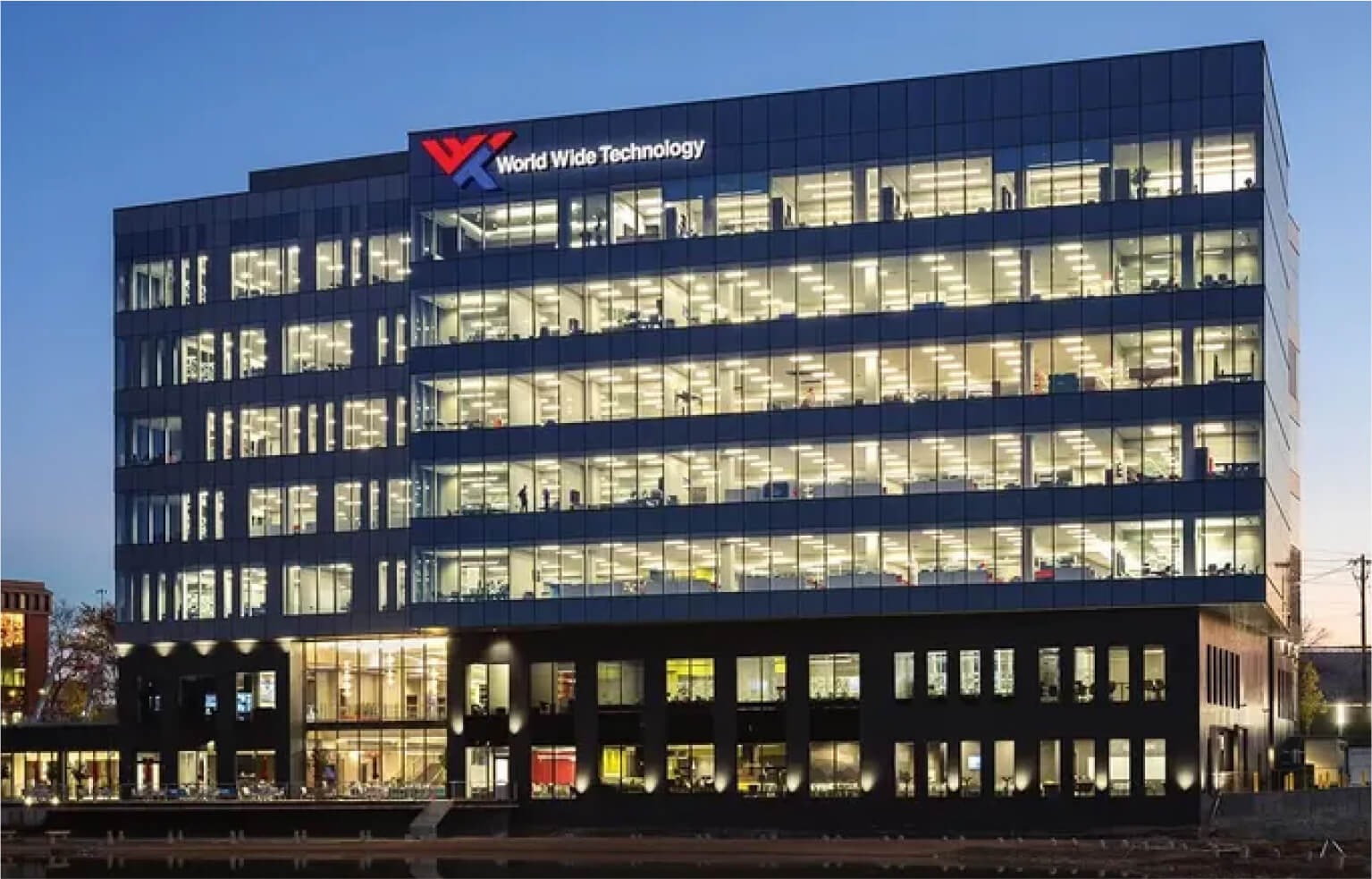
- Management Flexibility: Leadership is cited for modifying workloads to fit employees' personal needs, especially during life challenges like illness.
- Genuine Community: Employees report enjoying time with coworkers outside of work, describing the team as a "collection of fun people" at the top of their technical game.
- High Mutual Respect: There is a deep respect for both technical knowledge and personal dedication.
- What employees are saying:
I'll never forget when I was very ill, my management modified the workload to exactly fit my needs and schedule. I needed to work to keep my mind off of things, and they gave me exactly what I needed to make it work, but not more than I could handle. I see this over and over with my co-workers..
4. ServiceNow
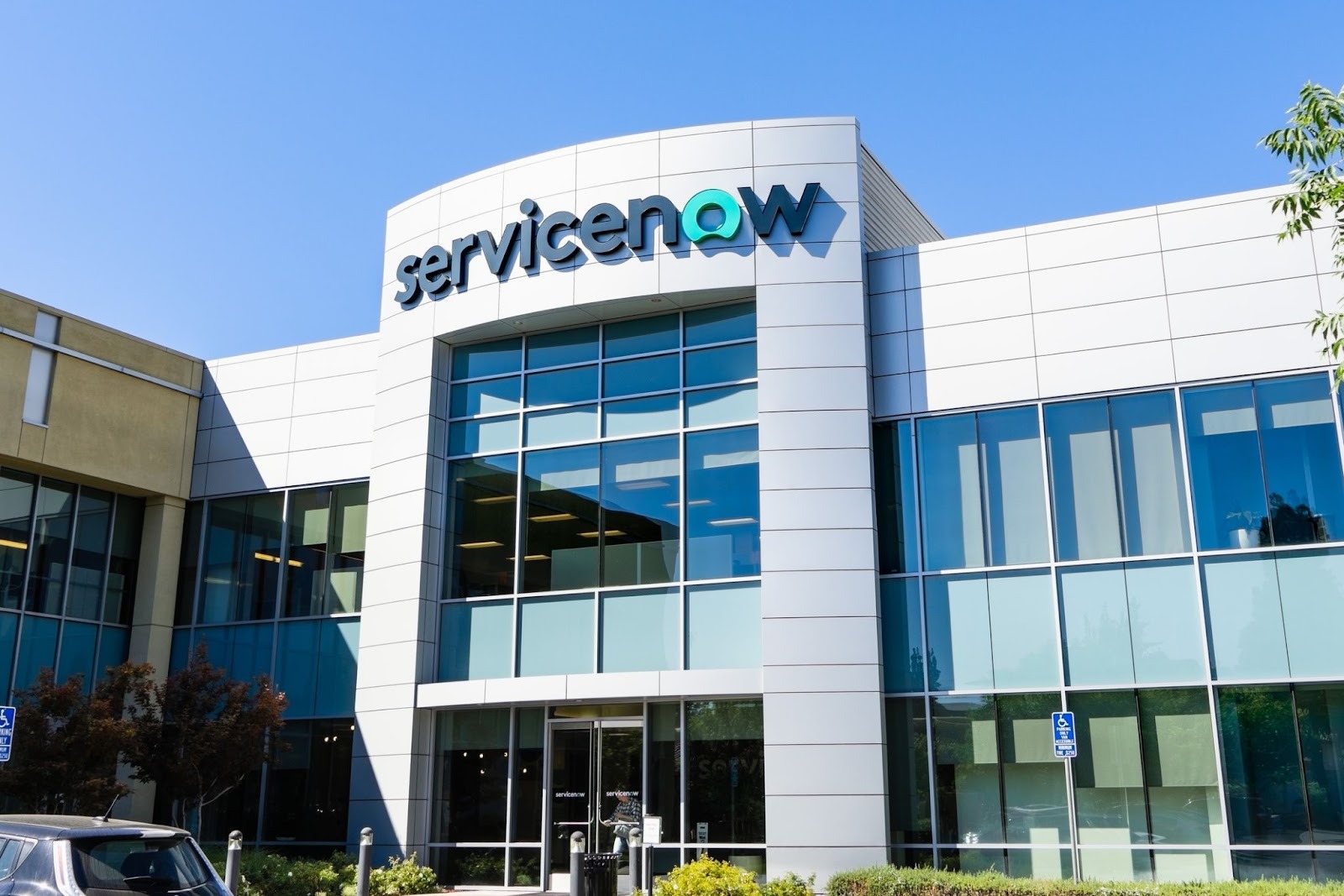
- Commitment to Core Principles: Leadership lives by slogans like "Win as a Team" and "Stay hungry and humble," rather than just displaying them on posters.
- Balanced Stress Management: The company provides specific "well-being days" (such as 4 per year) to help employees manage stress.
- Merging Performance with Happiness: The ability to maintain a high-performance culture while keeping employees collaborative and happy is a key differentiator.
5. Atlassian, Inc.

- Inclusive Work Experience: The company focuses on creating great experiences for every demographic, including part-time front-line workers and long-tenured staff.
- Equitable Growth Opportunities: Employees feel their company is fair regarding pay, promotions, and opportunities for meaningful work.
- Employee-Validated Culture: The ranking is heavily influenced by the fact that Atlassian's culture is consistently caring and innovative, as validated by the employees' own survey responses.
We often analyze the global tech landscape, particularly the opportunities and challenges presented by Silicon Valley's giants and the vibrant US startup ecosystem.
This comparative study of established Big Tech firms versus agile, fast-growing startups is crucial for shaping a strategic career path. Understanding this global dichotomy sets the stage for a localized examination.
Now, let's focus our attention on Malaysia: What kind of tech companies define our domestic ecosystem, and how do the career trajectories within them compare to the global archetypes? The Malaysian tech scene offers a unique blend of opportunities.
👉 Continue Here: Strategic Career Paths: Startups vs. Big Tech- A Global Perspective and a Deep Dive into Malaysia


